Shoulder & Knee Arthroscopy
Minimally invasive procedures for select shoulder and knee conditions.
What Is Arthroscopy?
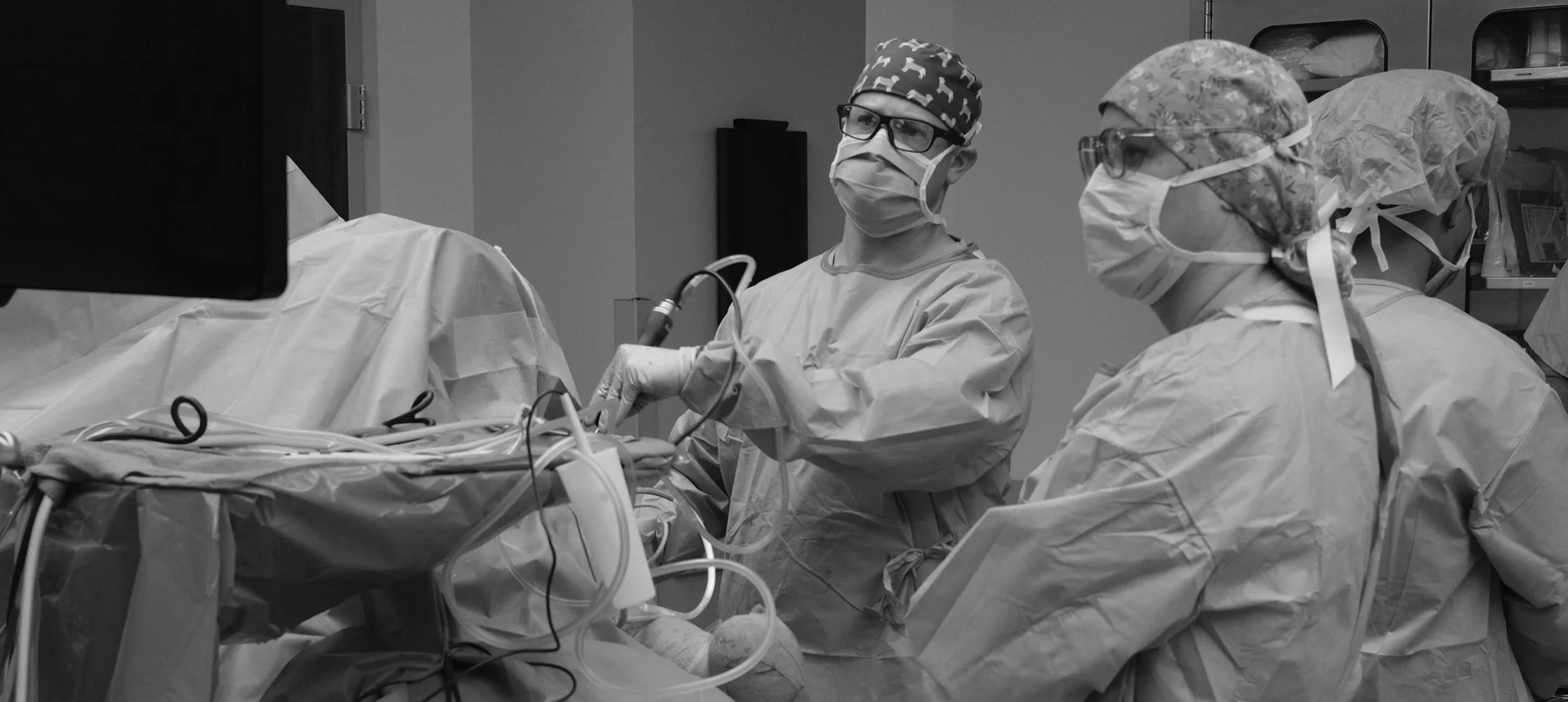
Arthroscopy is a minimally invasive surgical technique used to diagnose and treat problems inside a joint using a small camera and specialized instruments.
Through small incisions, the surgeon can address damaged cartilage, torn tissue, or mechanical problems that cause pain, swelling, or limited movement.
These procedures are typically performed on an outpatient basis and often allow faster recovery than traditional open surgery.
A Thoughtful Approach to Arthroscopy
Arthroscopy can be highly effective for specific mechanical problems within the shoulder and knee. Careful patient selection is essential to achieving meaningful results.
In cases where arthritis is more advanced, joint replacement may provide a more predictable and lasting outcome.
Conditions Treated
Knee Arthroscopy
Meniscus tears
Loose bodies
Cartilage injuries
Mechanical symptoms (catching or locking)
Shoulder Arthroscopy
Rotator cuff tears
Shoulder impingement
Labral tears
Biceps tendon pathology
Who Is a Candidate?
Arthroscopy is most effective when symptoms are caused by mechanical problems within the joint.
Patients may have have:
Persistent pain despite physical therapy or injections
Mechanical symptoms such as catching or locking
MRI findings showing meniscus, cartilage, or rotator cuff injury
Minimal arthritic changes in the joint
When arthritis is advanced, arthroscopy is unlikely to provide lasting relief, and joint replacement is often the more reliable long-term solution.
What to Expect from Arthroscopy
Outpatient procedure
Performed the same day
Minimal scarring
Small incisions typically heal with minimal visible scarring
Small incisions
Minimal soft tissue disruption
Physical therapy
Essential to restore strength and motion
Early movement
Most patients begin moving soon after surgery
Return to activity
Varies based on the condition treated
Persistent shoulder or knee pain?
Schedule an evaluation to determine the most appropriate treatment for your joint condition.
Recovery
Day of Surgery
Go home the same day
Most patients begin moving shortly after surgery.
First 1–2 Weeks
Swelling and soreness gradually improve
Knee: walking improves quickly; many patients discontinue crutches within days
Shoulder: sling may be required depending on the procedure (especially rotator cuff repair)
2–6 Weeks
Focus shifts to restoring motion and strength
Knee: faster return to daily activities and work
Shoulder: motion improves gradually; strengthening begins later
6+ Weeks
Full recovery depends on the condition treated
Knee: most patients resume normal daily activities
Shoulder: discontinue sling; recovery may continue for up to 6 months, especially after rotator cuff repair
Common Questions
-
Most procedures take between 30 and 90 minutes depending on the condition being treated.
-
Many patients resume normal daily activities within days to weeks, although full recovery varies depending on the procedure.
-
Pain is typically well controlled with modern anesthesia techniques and postoperative pain management. Nerve blocks help minimize pain immediately after surgery.
-
Arthroscopy can address mechanical problems within the joint, but advanced arthritis may ultimately require joint replacement.
-
Arthroscopy is less effective when pain is caused by advanced arthritis rather than a mechanical problem. In these cases, joint replacement may provide more reliable and lasting relief.
-
In select cases, arthroscopy can relieve symptoms and delay the need for joint replacement. However, when arthritis is advanced, it does not prevent progression and may not provide lasting benefit.