Partial Knee Replacement
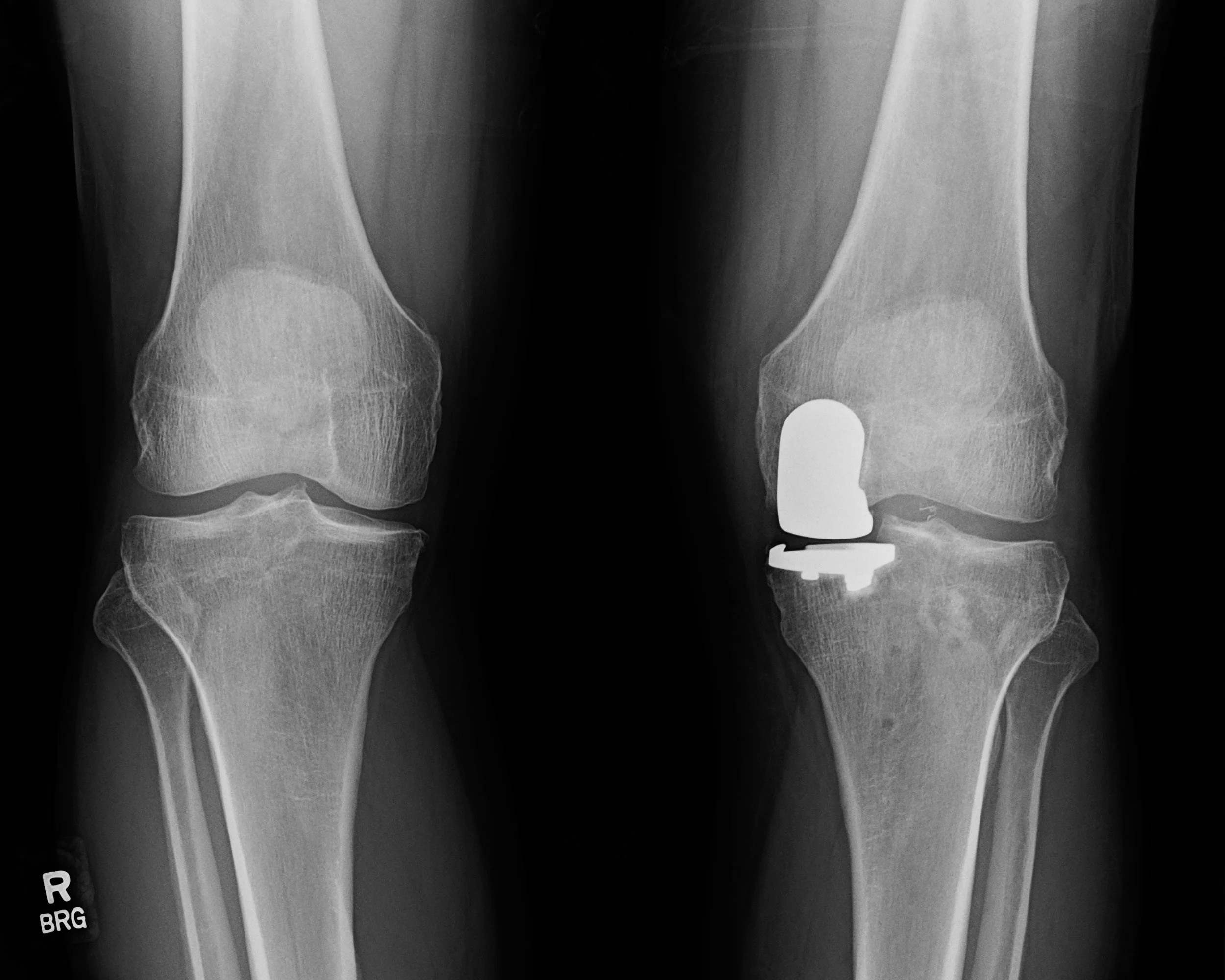
When knee arthritis is limited to a single compartment, a partial knee replacement can relieve pain while preserving healthy bone, ligaments, and more natural knee motion.
What Is a Partial Knee Replacement?
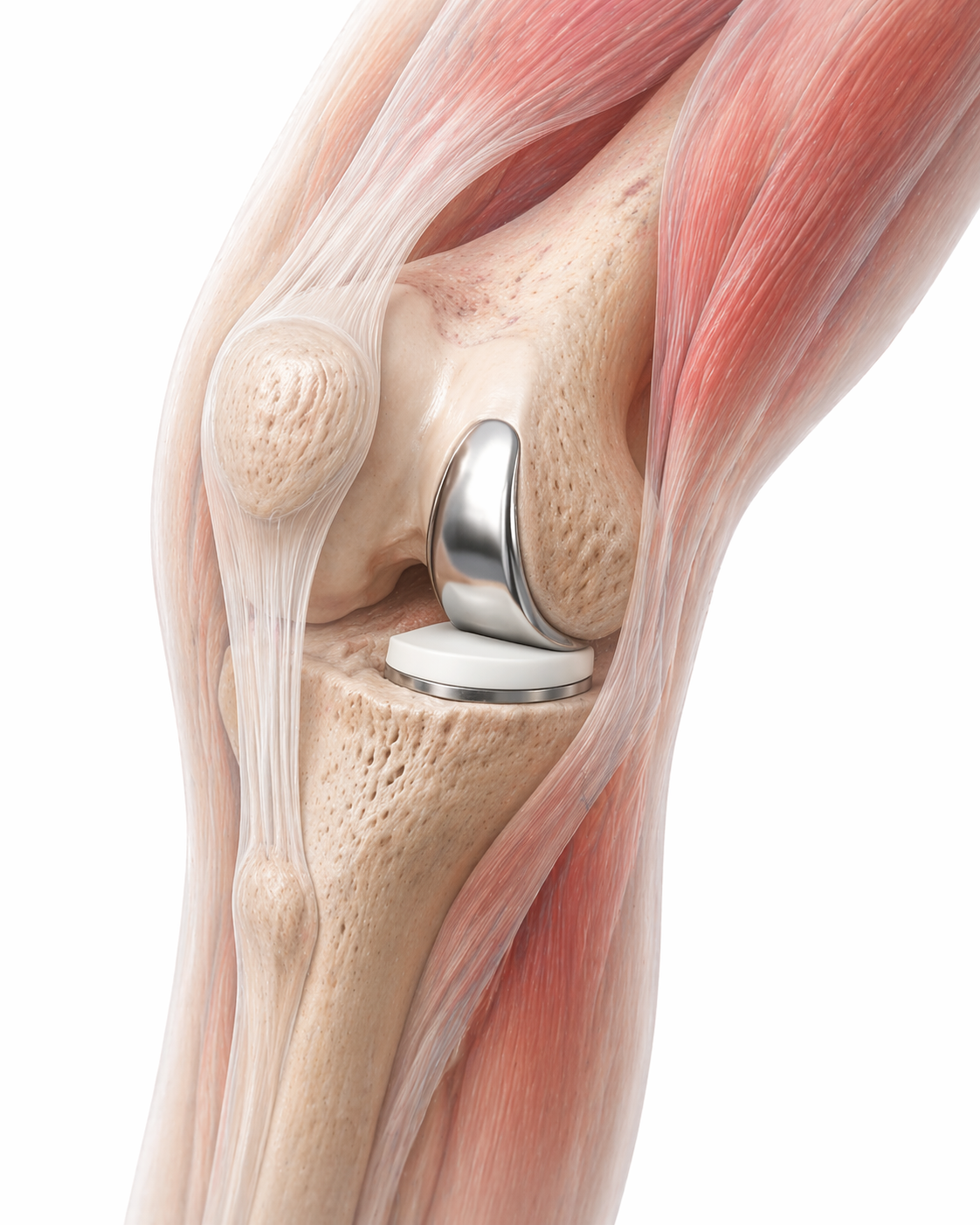
A partial knee replacement (unicompartmental knee arthroplasty) treats arthritis that affects only one part of the knee joint. Instead of replacing the entire knee, only the damaged compartment is resurfaced.
The knee has three compartments:
Medial (inside)
Lateral (outside)
Patellofemoral (behind the kneecap)
When arthritis is isolated to one of these areas, a partial knee replacement can relieve pain while preserving the remaining healthy cartilage, bone, and ligaments.
Because much of the natural knee is maintained, many patients report a knee that feels more natural compared with a total knee replacement.
Partial Knee Replacement:
Key Points
Who is a candidate?
Patients with arthritis limited to one compartment of the knee, with preserved ligaments and overall joint stability.
How is it different from total knee replacement?
Only the damaged portion of the knee is replaced, preserving normal structures and joint motion.
Is this an outpatient procedure?
Partial knee replacement is commonly performed in an outpatient setting with same-day discharge.
What are the benefits?
Smaller incision, faster recovery, more natural knee motion, and less disruption to normal anatomy.
How long is recovery?
Recovery is often faster than total knee replacement, with many patients returning to daily activities within a few weeks.
What are the risks?
Progression of arthritis in other parts of the knee, implant wear, and standard surgical risks.
Advantages of Partial Knee Replacement
Compared with total knee replacement, potential advantages include:
Smaller incision and less disruption of surrounding tissues
Faster recovery and earlier return to activity
More natural knee motion and kinematics
Preservation of important knee ligaments
Less blood loss and shorter surgery time
Many patients describe the knee as feeling more like their own knee because much of the joint remains intact.
Important Considerations
Partial knee replacement is not appropriate for everyone.
Because only part of the joint is replaced, arthritis that later develops in other parts of the knee may eventually require conversion to a total knee replacement.
Careful patient selection is essential.
While many partial knee replacements function well for many years, they generally do not last as long as total knee replacements.
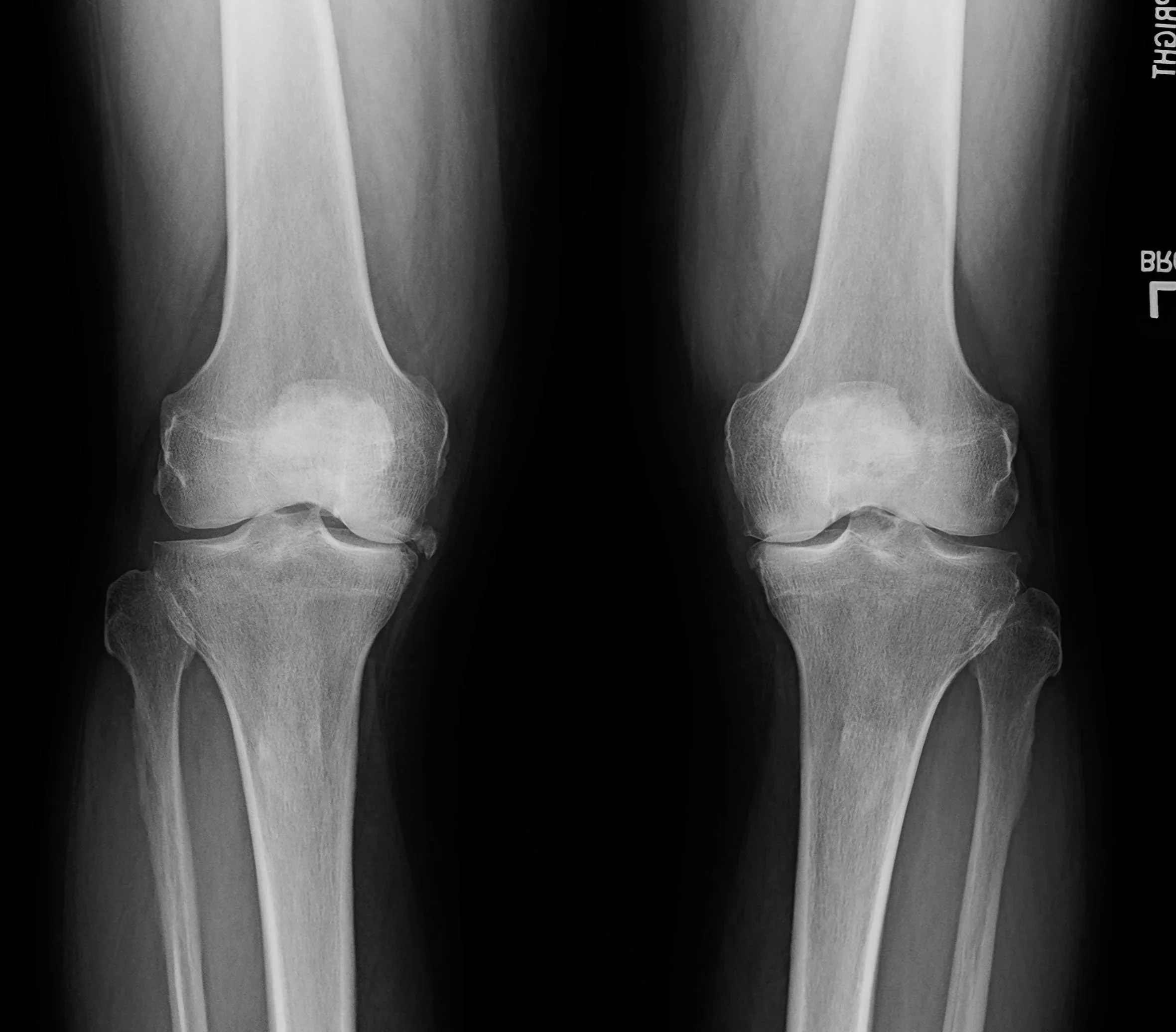
Who Is a Candidate for Partial Knee Replacement?
Patients may be candidates when arthritis is limited to a single compartment of the knee.
Typical criteria include:
Arthritis confined to one compartment of the knee
Intact knee ligaments, particularly the ACL
Normal knee alignment and stability
Failure of conservative treatments such as medications, injections, and therapy
Pain localized to one side of the knee
Patients with advanced arthritis affecting multiple compartments of the knee are usually better treated with total knee replacement.
Surgical Technique
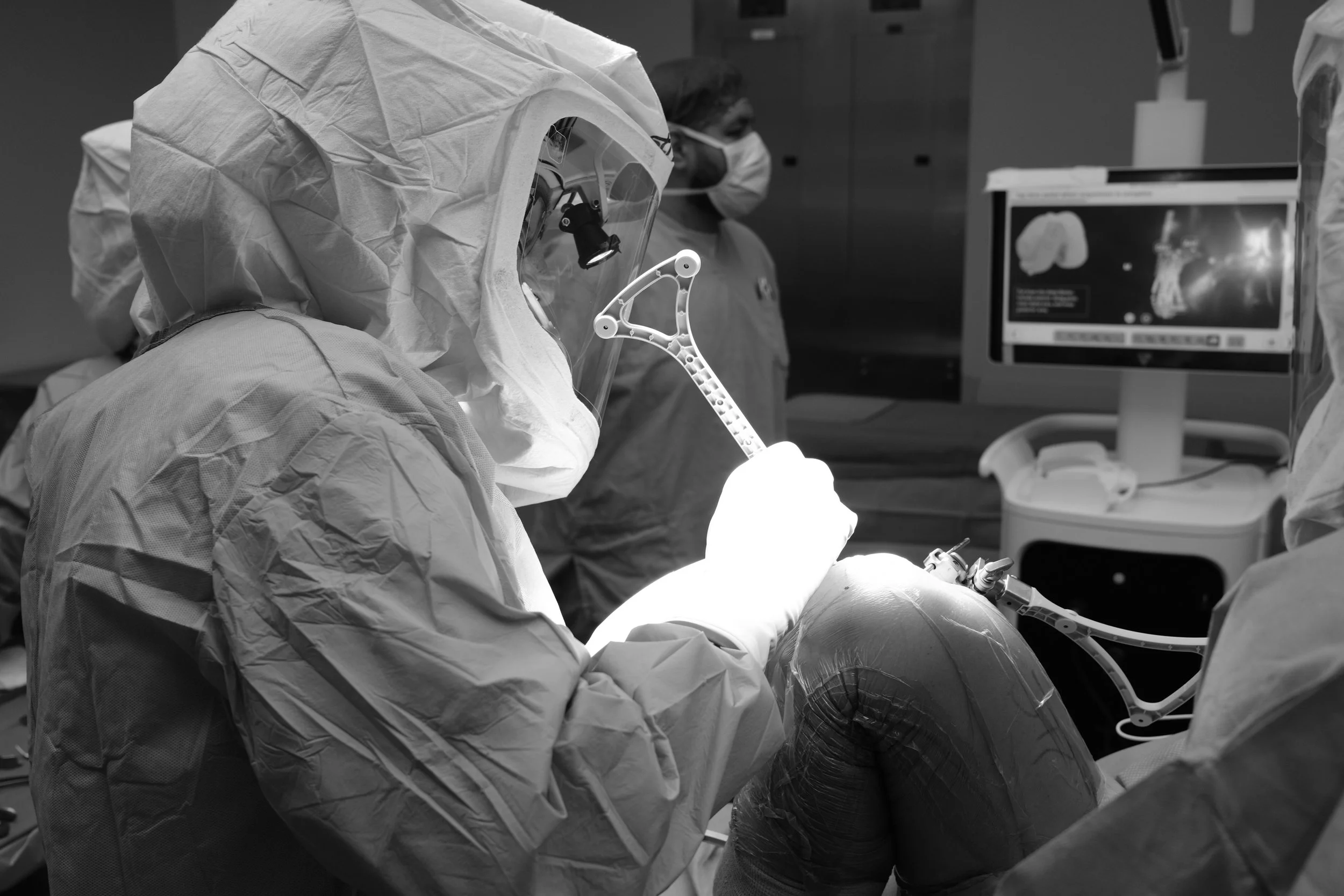
Partial knee replacement can be performed using advanced imaging and robotic-assisted techniques that allow precise positioning of implants and preservation of healthy structures.
The procedure typically replaces only the worn surfaces of the affected compartment using metal and polyethylene components.
Preserving the remaining joint structures helps maintain more natural knee motion.
Recovery After Partial Knee Replacement
Recovery from partial knee replacement is often faster than recovery after total knee replacement.
Many patients:
Walk the same day as surgery
Return home the day of surgery
Resume many normal activities within several weeks
Physical therapy focuses on restoring motion, strength, and confidence in the knee.
Learn more about Dr. Gill’s broader knee replacement outcomes and quality data.
Day of surgery
Walk with assistance
1–2 weeks
Increasing activity and knee motion
4–6 weeks
Most normal daily activities resume
3–6 months
Full recovery and strength
Surgical Team & Joint Replacement Center
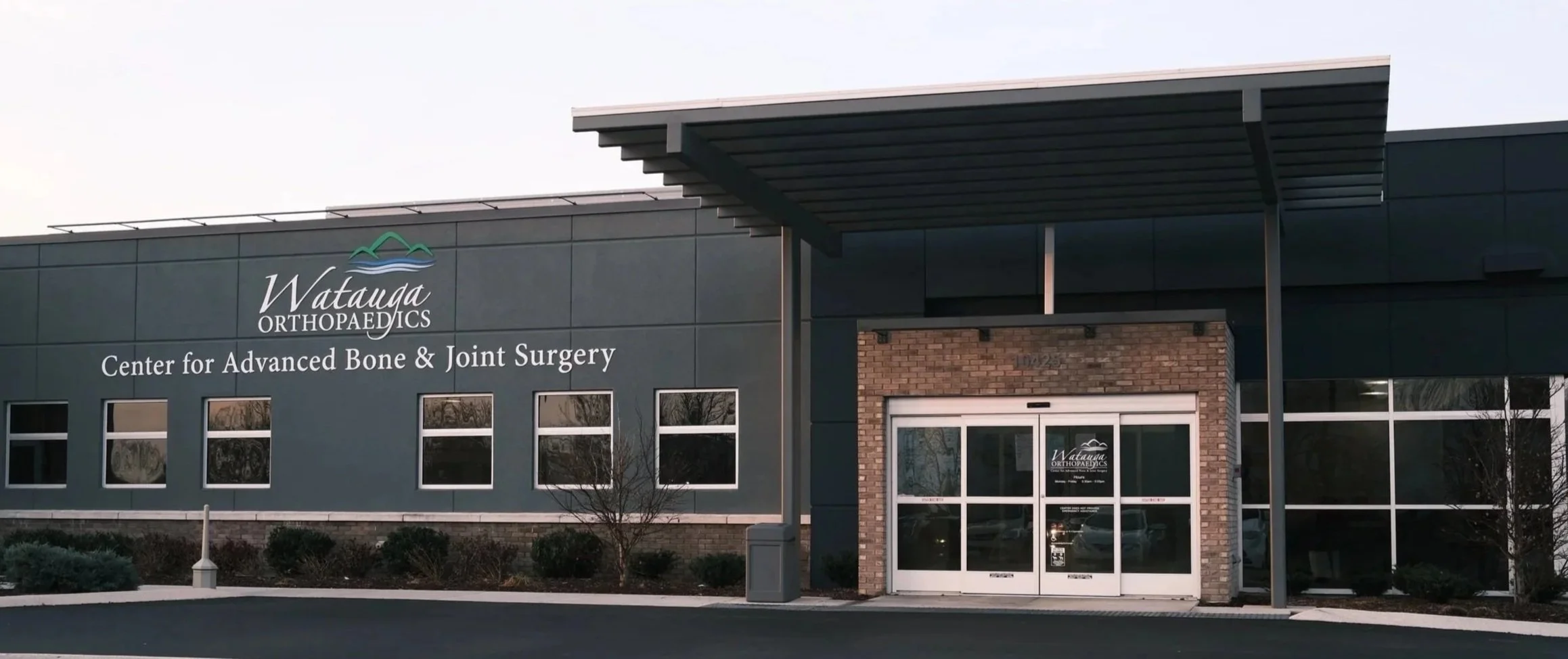
Dedicated Joint Replacement Team
Board-certified orthopedic surgeon
Experienced operating room personnel
Anesthesia team experienced in regional and multimodal techniques
Coordinated perioperative nursing care
Outpatient Joint Replacement at an Accredited Center of Excellence
Watauga Orthopaedics Center for Advanced Bone and Joint Surgery
AAAHC-accredited Center of Excellence for Joint Replacement
Structured same-day discharge protocols
Coordinated Recovery Pathway
Structured postoperative follow-up
Physical therapy coordination
Direct access for clinical concerns
Individualized recovery oversight
Considering Treatment for Knee Arthritis?
If knee pain from arthritis is limiting your daily activities, an evaluation can help determine whether partial knee replacement or another treatment option is appropriate.
Common Questions about Partial Knee Replacement
-
A partial knee replacement treats arthritis limited to one part of the knee, while a total knee replacement resurfaces the entire joint.
-
Patients with arthritis affecting multiple compartments, significant deformity, or ligament instability are typically better treated with total knee replacement.
-
Because important ligaments and healthy cartilage are preserved, many patients report that a partial knee replacement feels more natural than a total knee replacement.
-
Longevity varies, but partial knee replacements generally have slightly lower long-term durability than total knee replacements. Most last around 10-15 years. Some patients may require conversion to a total knee in the future.
-
Yes. Recovery is often faster with less postoperative discomfort because less of the knee joint is replaced.
-
Yes. If arthritis develops in other parts of the knee, a partial knee can often be revised to a total knee replacement.