
Why Your Friend’s Knee Replacement Recovery May Look Nothing Like Yours
Two patients can have knee replacement in the same week and recover very differently. Procedure type, starting strength and motion, health, swelling, support, and personal goals all shape the timeline.

What I Tell Patients About the First 6 Weeks After Knee Replacement
The first six weeks after knee replacement are demanding, but the recovery pattern is usually predictable. Here is the practical guidance I give patients about pain, swelling, walking, therapy, and progress.
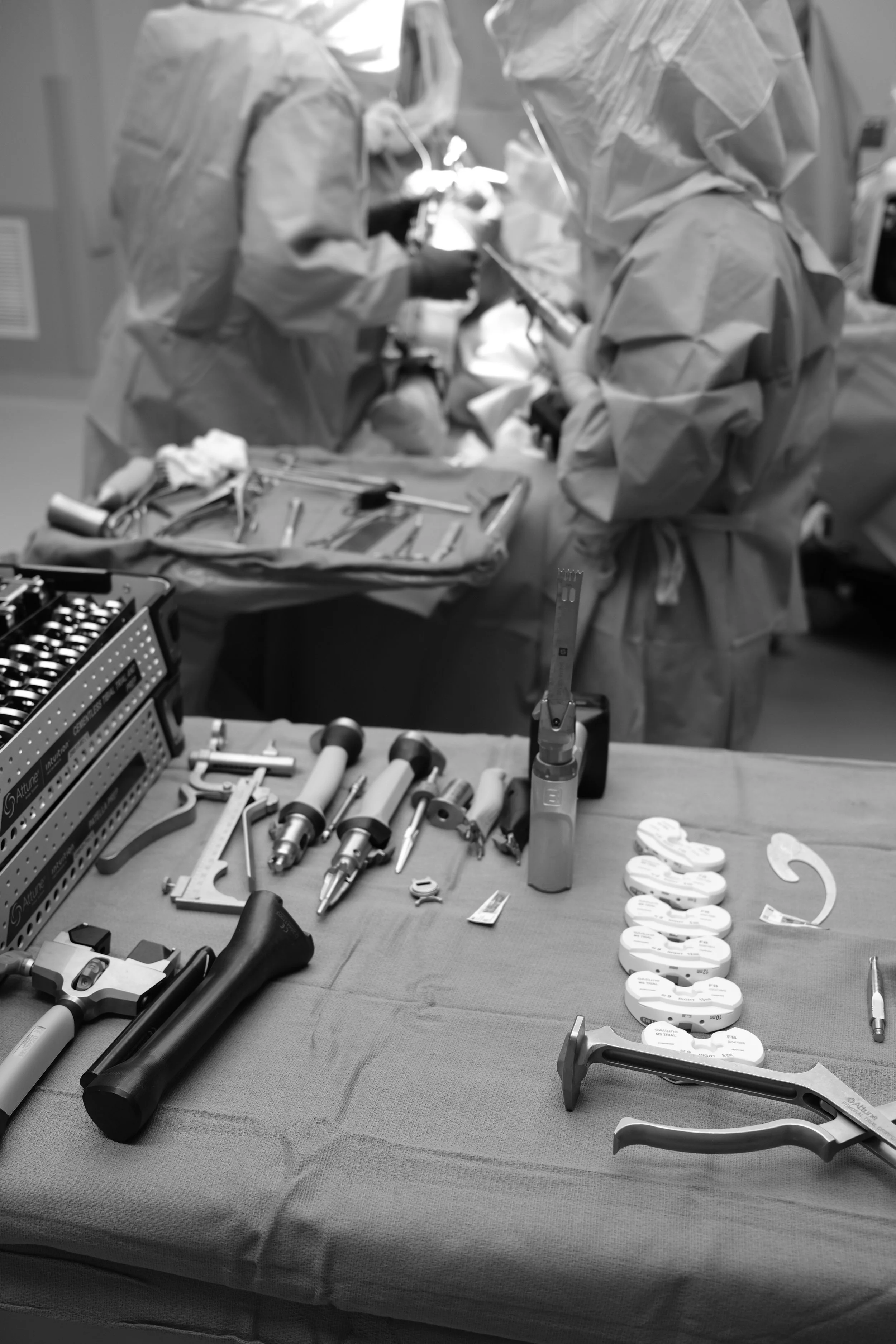
When Are You Actually Ready for Hip or Knee Replacement?
Readiness for joint replacement is not determined by age, an X-ray, or a single pain score. It comes down to the diagnosis, the effect on daily life, prior treatment, health, and realistic goals.
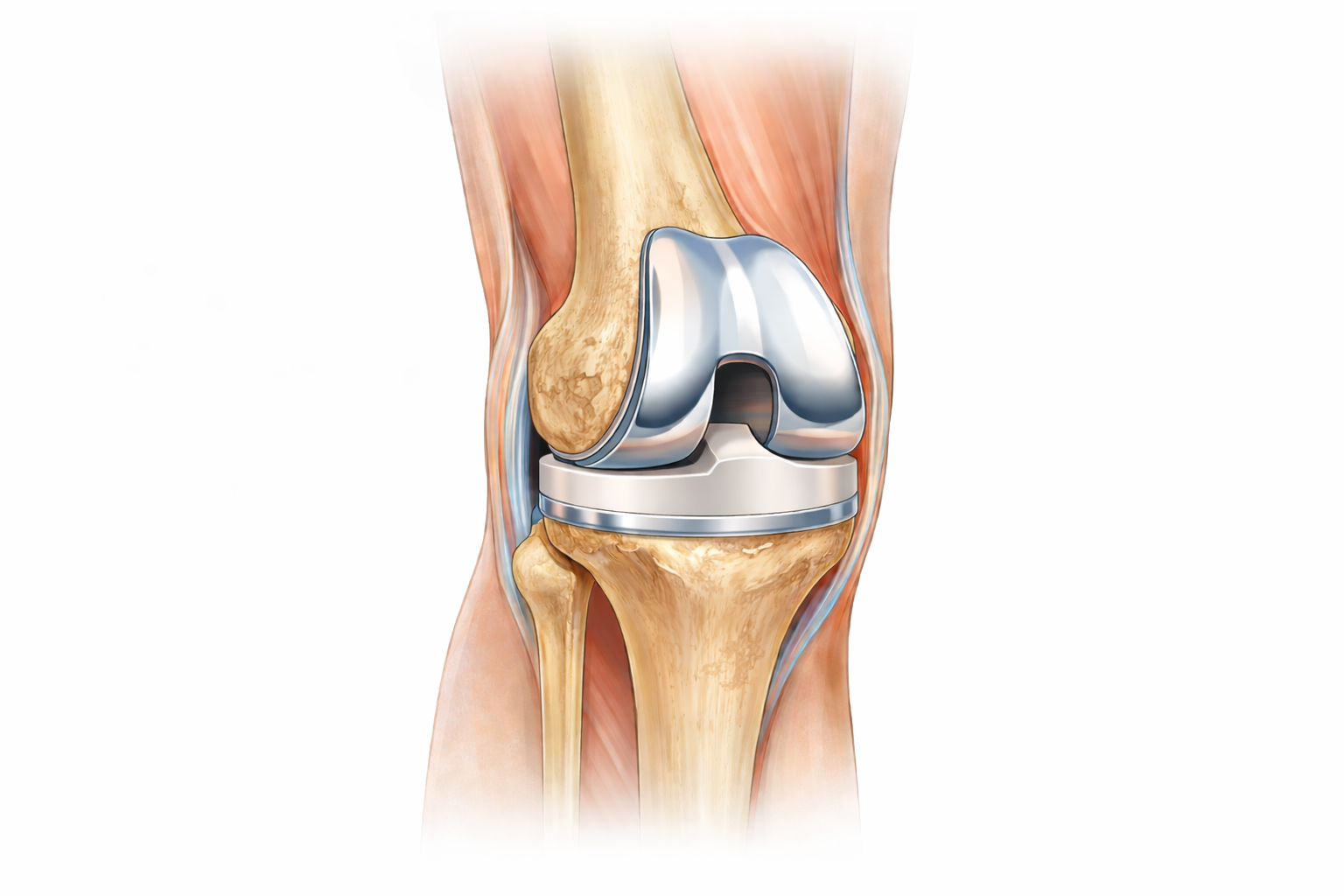
Surgical Approaches to Knee Replacement: Does the Approach Matter?
Total knee replacement can be performed through several surgical approaches. Learn how the medial parapatellar, midvastus, subvastus, lateral, and minimally invasive approaches compare—and why reliable exposure and surgical execution matter more than incision size alone.
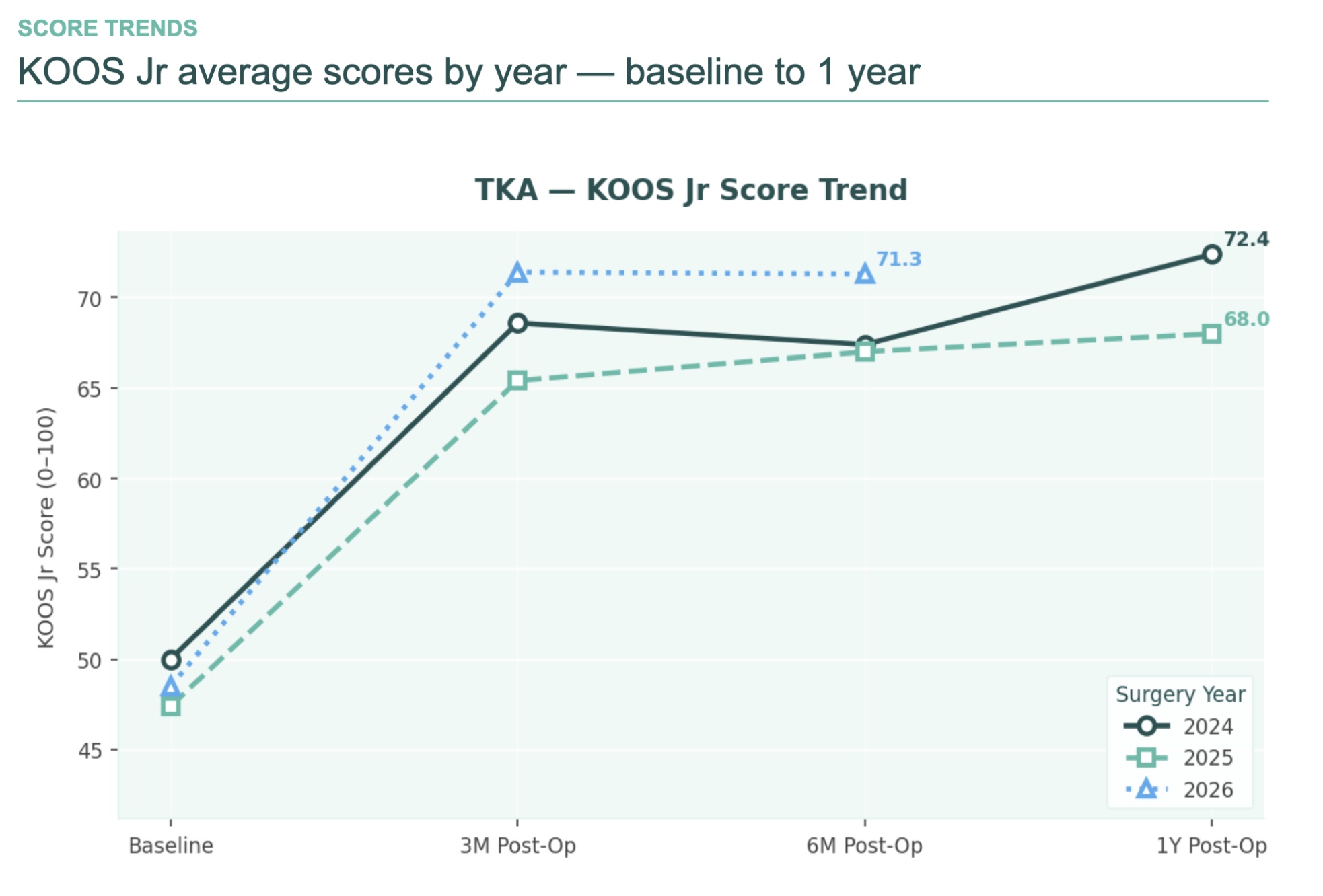
What Do Joint Replacement Outcomes Really Mean?
Joint replacement statistics can be difficult to interpret. Learn what PROM scores, infection rates, home discharge, and surgical volume reveal—and what they do not.
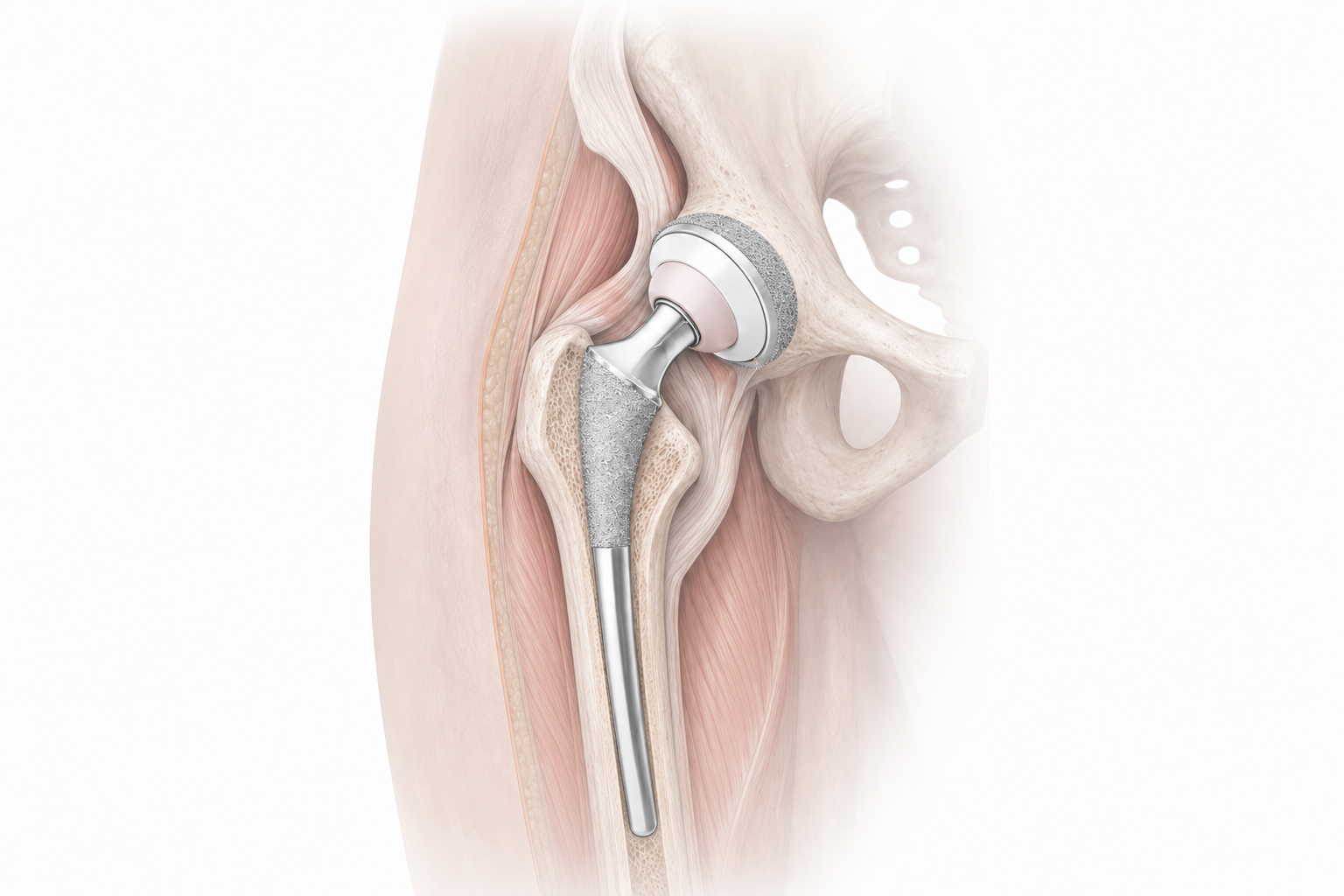
Anterior vs. Posterior Hip Replacement: Does the Surgical Approach Matter?
Anterior and posterior hip replacement use different pathways to reach the joint. Learn how they compare in early recovery, muscle disruption, precautions, stability, and long-term results.

Does the Type of Robot Matter in Knee Replacement?
Mako and VELYS use different approaches to robotic-assisted knee replacement. Learn how the systems differ and why surgical planning, experience, and proper use of the technology matter more than the brand.

Outpatient Joint Replacement
Learn how outpatient joint replacement allows many patients to safely return home the same day as surgery. Discover who is a candidate, what to expect, and the benefits of having hip or knee replacement performed in an ambulatory surgery center.

When Should You See a Surgeon for Knee Pain?
A concise guide to knowing when knee pain warrants a surgical evaluation—and when it doesn’t.

Hip Replacement Recovery Timeline
A structured overview of recovery after hip replacement, including early mobility, functional milestones, and expected progression through the first year.

How to Optimize Recovery After Knee Replacement
A structured overview of the key factors that influence recovery after knee replacement, including motion, physical therapy, activity progression, and swelling control.

What Is the Recovery Timeline After Knee Replacement?
A clear overview of the recovery timeline after knee replacement, including early mobility, functional milestones, and expected progression through the first year.
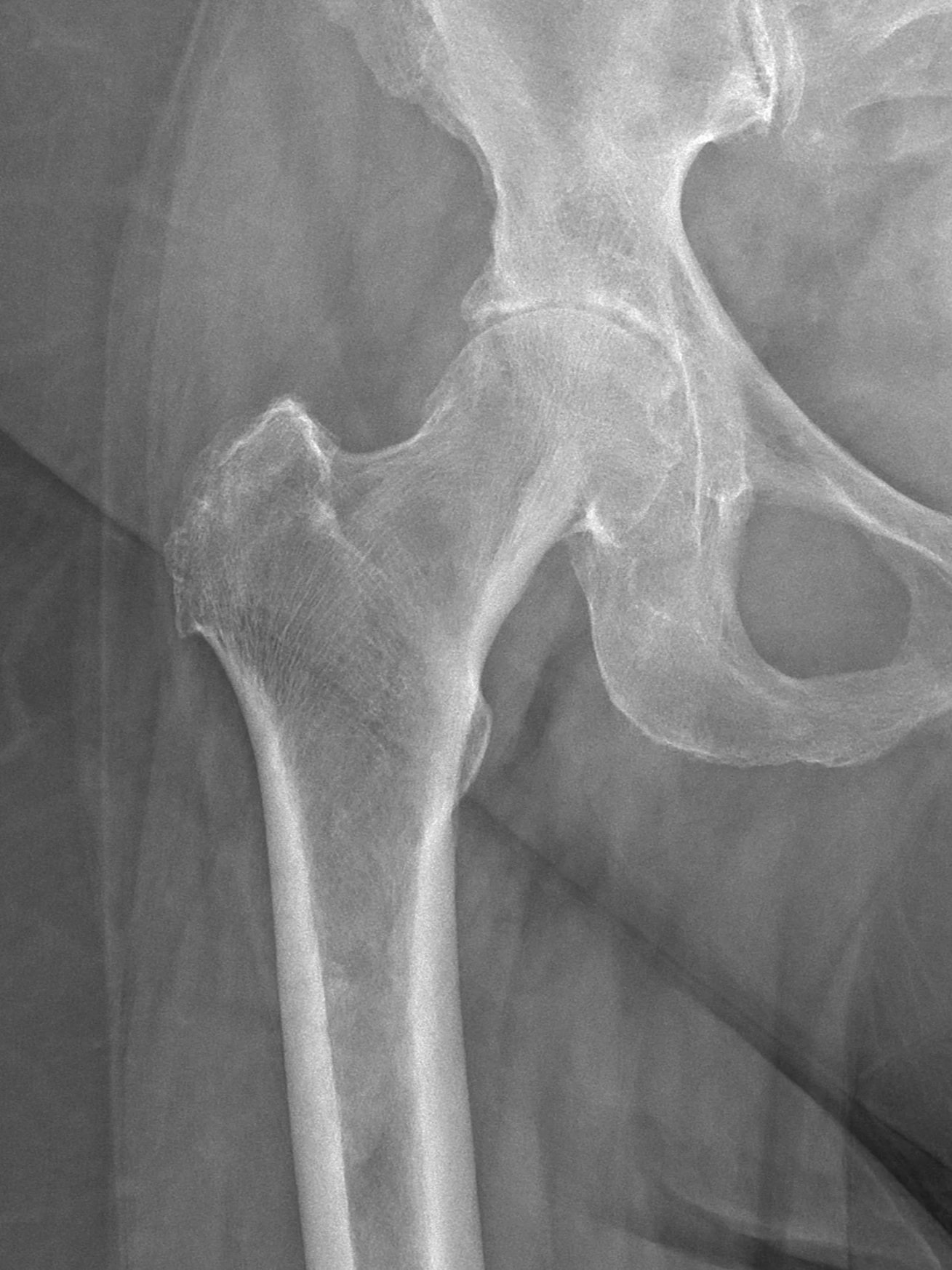
When Is a Hip Replacement Appropriate?
When does hip pain become severe enough for surgery? A clear, practical guide to timing hip replacement.

Is Robotic Knee Replacement Better?
Robotic-assisted knee replacement can improve precision, but outcomes still depend on surgical technique and decision-making. Here’s what the technology actually does—and what it doesn’t.
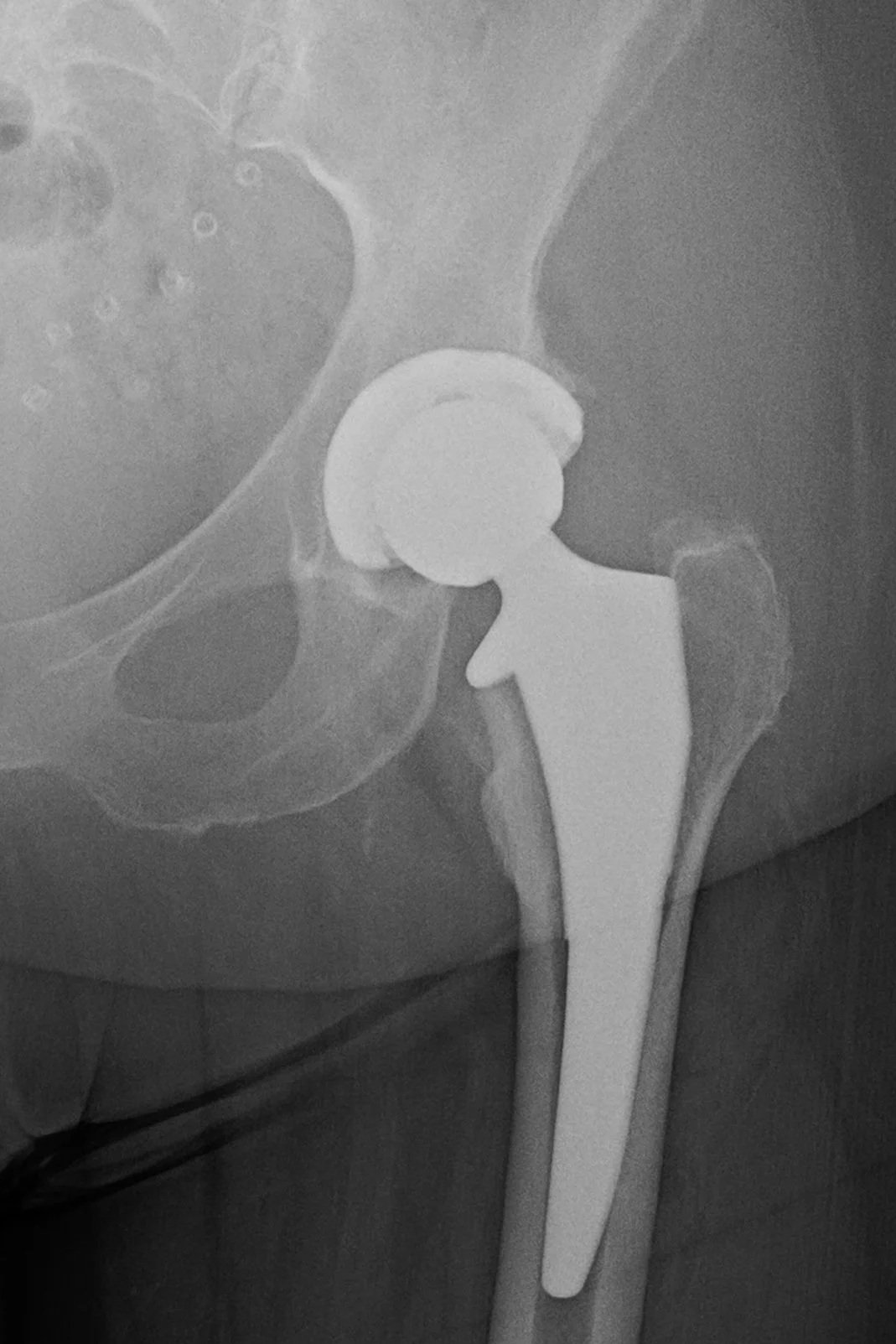
How Long Does Hip Replacement Last?
Most modern hip replacements last 15–20 years or longer. Learn what affects implant longevity, including surgical technique, activity level, and long-term expectations.
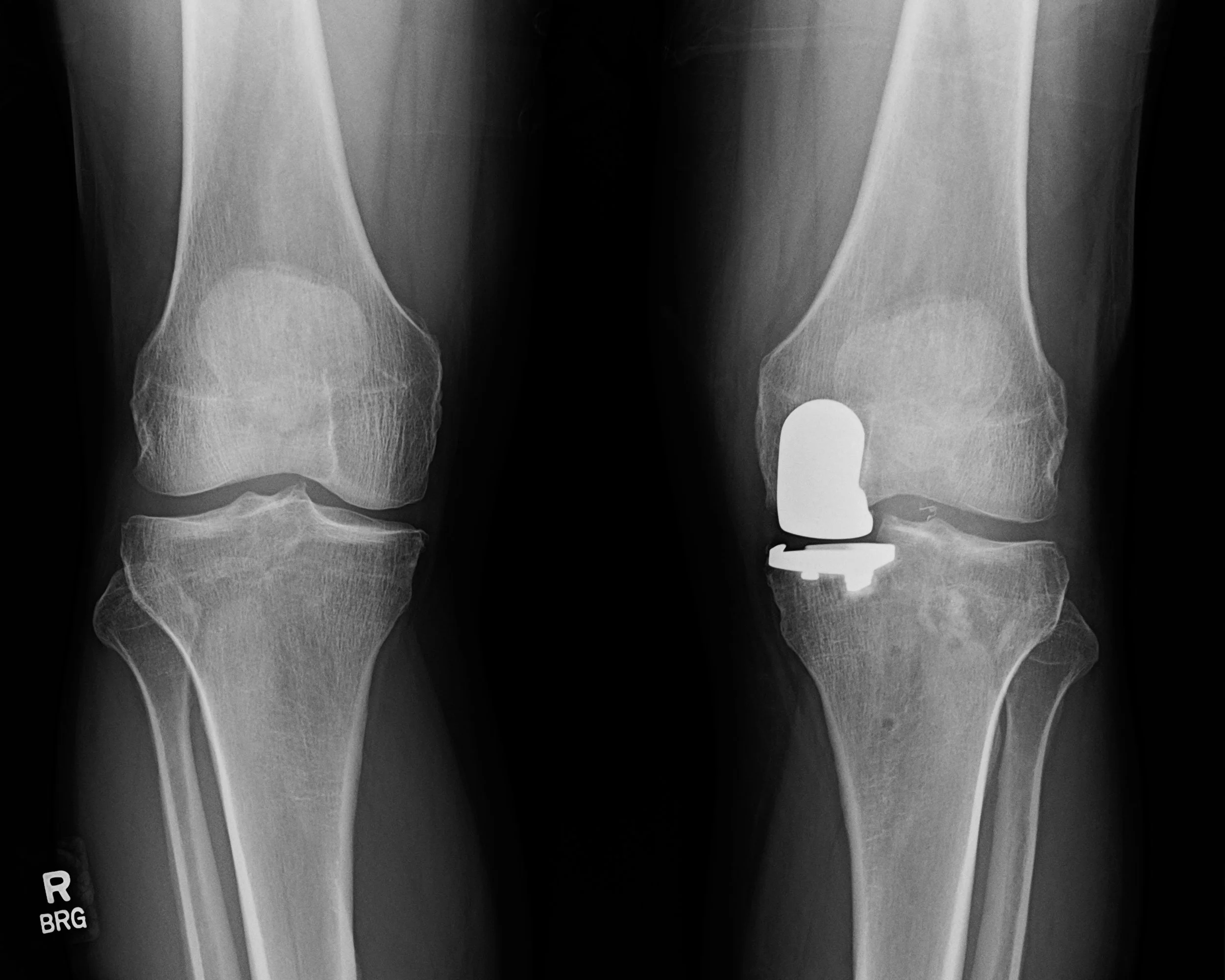
Partial vs Total Knee Replacement: Which Is Right for You?
Partial and total knee replacement treat different patterns of arthritis. Learn how they compare and which option may be appropriate based on your knee condition.

How Painful Is Knee Replacement?
Knee replacement involves some temporary pain, especially in the first few weeks. Here’s what to expect and how recovery typically progresses.