Hip Arthritis
Clear guidance for understanding hip pain, exploring nonsurgical treatment, and deciding when hip replacement may be appropriate.
Hip arthritis often develops gradually. Early symptoms may feel like stiffness or a deep ache in the groin, while more advanced disease can make walking, getting into a car, putting on shoes, or sleeping difficult.
Dr. Gill evaluates and treats hip arthritis in Johnson City, Tennessee, with an emphasis on confirming the source of pain, using appropriate nonsurgical treatment, and creating an individualized surgical plan when conservative care is no longer effective.
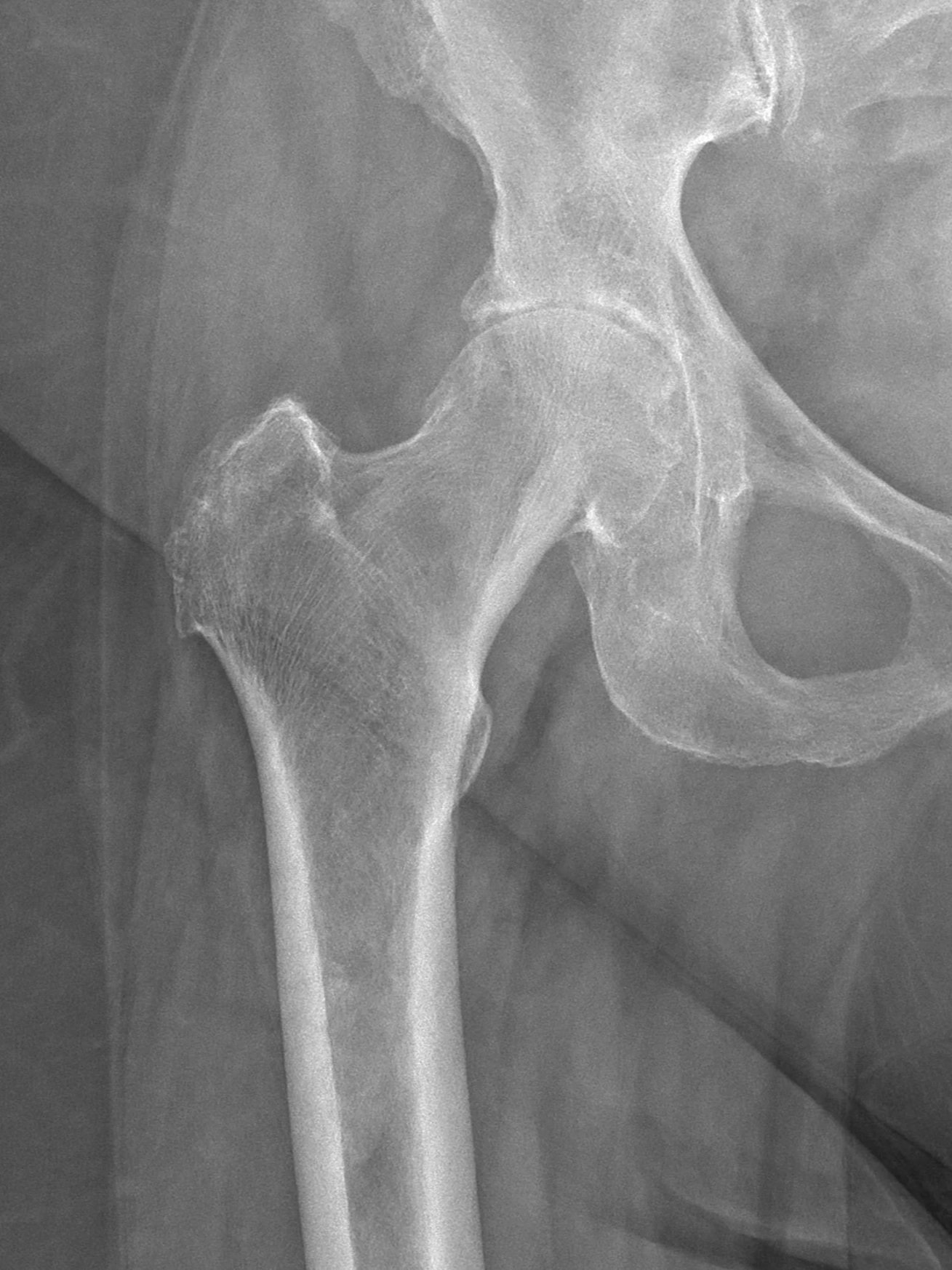
What Is Hip Arthritis?
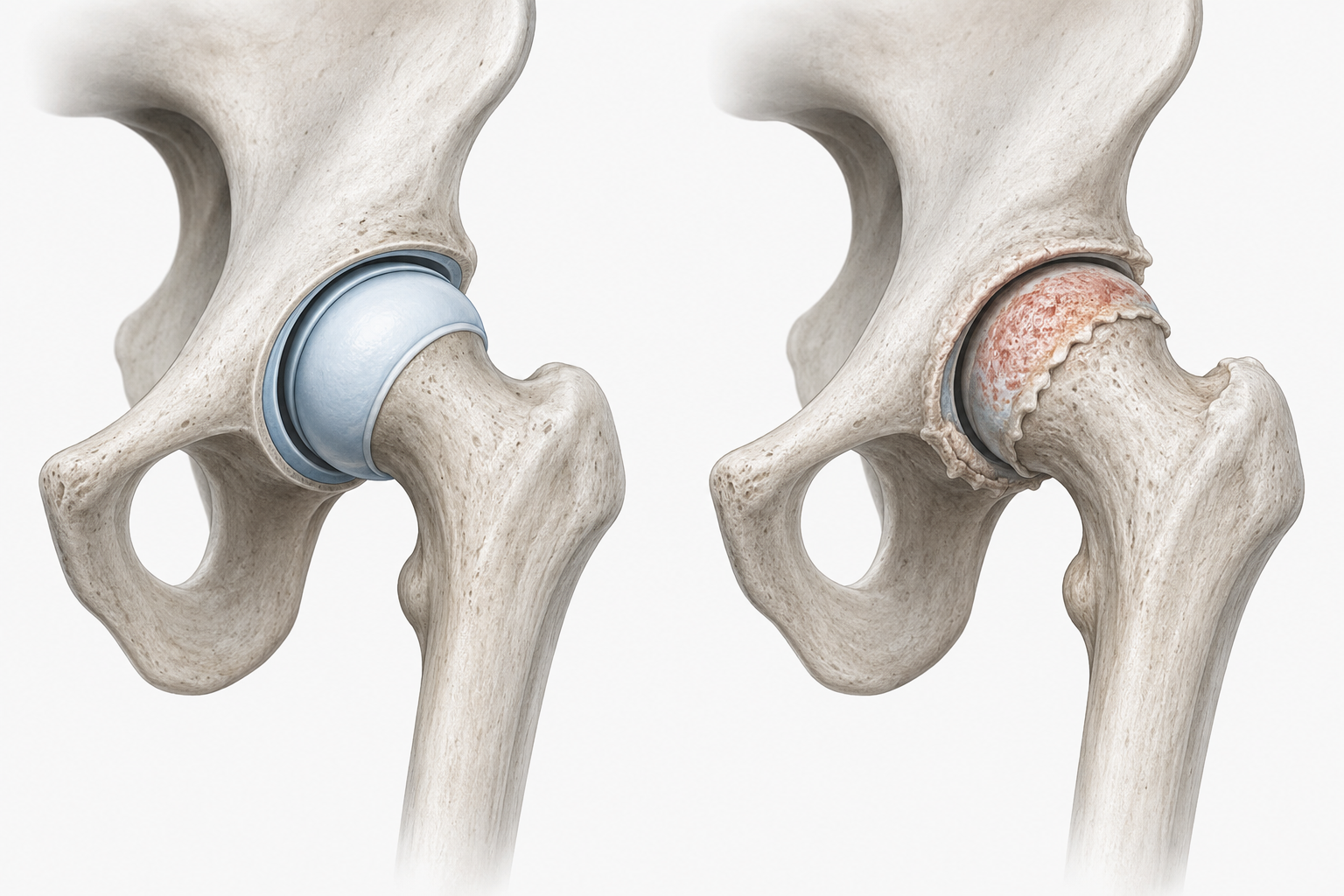
Healthy hip (left) compared with advanced hip osteoarthritis (right).
The hip is a ball-and-socket joint. Smooth cartilage covers the femoral head and the inside of the acetabulum, allowing the joint to move with very little friction. In osteoarthritis, this cartilage becomes thinner and irregular. The joint space narrows, bone spurs may form, and motion becomes increasingly stiff or painful.
Osteoarthritis is the most common form of hip arthritis. Other causes of hip degeneration include inflammatory arthritis, prior trauma, hip dysplasia, and osteonecrosis. An accurate diagnosis matters because not every source of pain around the hip is caused by the joint itself.
Hip Arthritis: Key Points
Where is the pain usually felt?
Groin pain is most typical, but discomfort may also be felt in the front of the thigh, buttock, or knee.
How is it diagnosed?
A focused history, physical examination, and standing X-rays usually identify hip osteoarthritis and its severity.
Does every painful hip need surgery?
No. Many patients improve with activity modification, exercise, medications, a cane, or a carefully selected injection.
When is replacement considered?
Hip replacement becomes reasonable when pain and stiffness remain limiting despite nonsurgical care and imaging confirms advanced joint damage.
Is age the deciding factor?
No. Symptoms, function, overall health, imaging, and personal goals are more important than age alone.
Common Symptoms of Hip Arthritis
Common symptoms include:
Pain in the groin, front of the thigh, buttock, or knee
Stiffness after sitting or first thing in the morning
Difficulty putting on shoes and socks
Trouble getting into or out of a car
Reduced walking distance or a limp
Loss of hip rotation and difficulty crossing the legs
Pain at rest or at night as arthritis becomes more advanced
Symptoms may initially occur only after prolonged activity and later become more frequent.
Hip arthritis usually causes a deep ache that develops over time.
Pain on the outside of the hip may come from nearby tendons or the bursa rather than the joint itself.
Buttock or leg pain can also originate from the lower back.
A focused examination helps separate these conditions and avoid treating the wrong source of pain.
How Hip Arthritis Is Evaluated
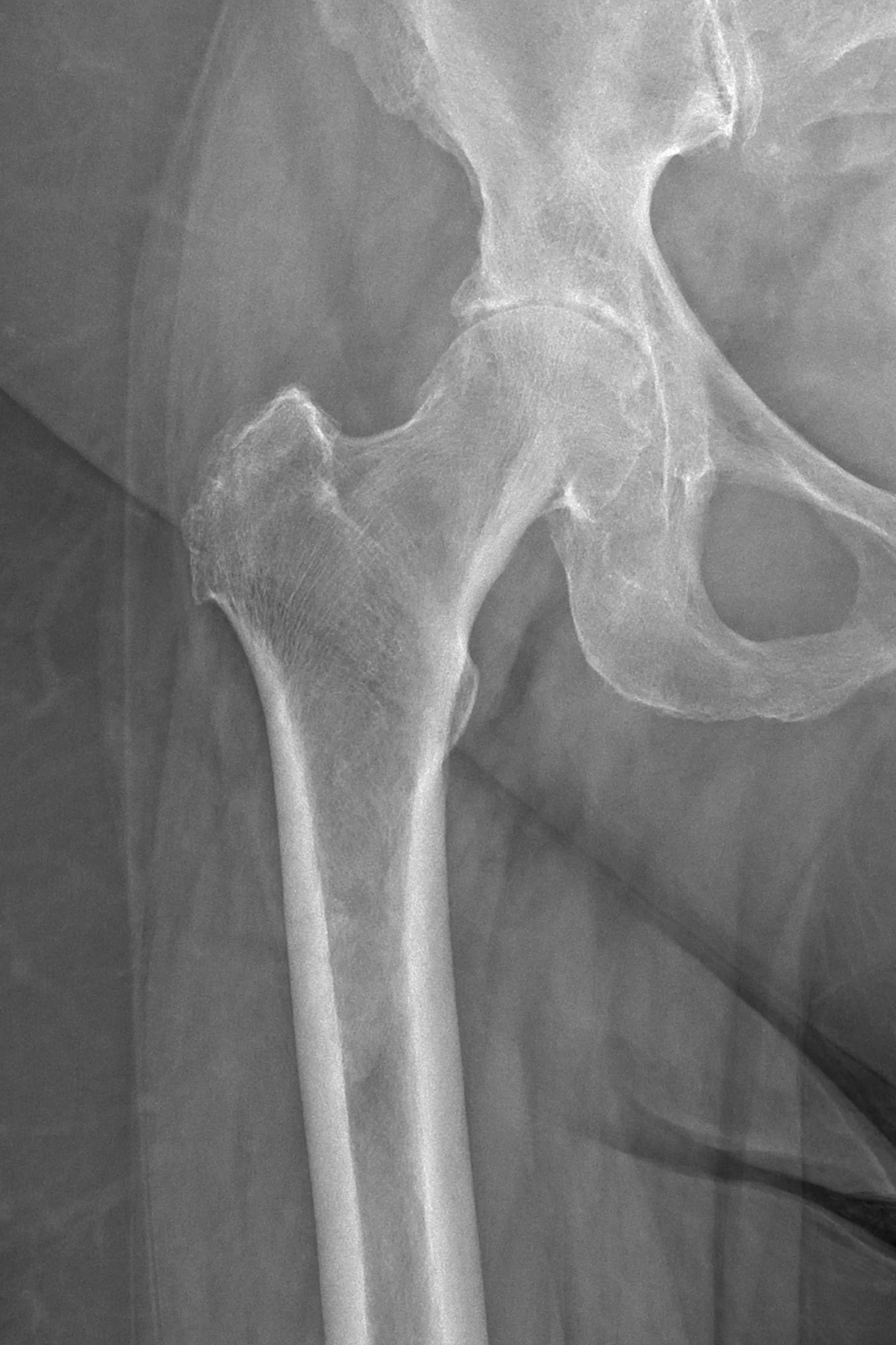
Evaluation begins by identifying where the pain is felt, which movements reproduce it, how it limits daily life, and what treatments have already been attempted. The examination assesses walking, hip motion, strength, tenderness, and whether symptoms may be coming from the spine or surrounding soft tissues.
X-rays are usually the most useful initial test. They can show joint-space narrowing, bone spurs, changes in the shape of the femoral head, and other signs of degeneration. MRI is not routinely needed when symptoms, examination, and X-rays clearly show osteoarthritis. It may be appropriate when X-rays are normal or when osteonecrosis, a stress injury, or another diagnosis is suspected.
Nonsurgical Treatment for Hip Arthritis
Nonsurgical treatment is appropriate for most patients early in the course of hip arthritis. It cannot restore cartilage that has already been lost, but it may improve comfort, strength, and day-to-day function.
Activity and exercise
Low-impact activity can help maintain mobility without repeatedly aggravating the joint. Cycling, swimming, walking within a comfortable range, and strength work are common options. Physical therapy may help improve flexibility, core and hip strength, balance, and movement patterns.
Cane or walking aid
A cane used in the hand opposite the painful hip can reduce joint loading and improve balance. It can be a useful tool for maintaining independence rather than a sign that treatment has failed.
Weight management
When appropriate, weight reduction can lessen the demand placed on the hip and improve overall conditioning. It may also reduce the risk of complications if surgery is eventually considered.
Hip injection
An image-guided corticosteroid injection may provide temporary relief and can sometimes help confirm that pain is coming from the hip joint. Response is variable, and an injection does not regrow cartilage or correct advanced joint damage.
Medications
Oral anti-inflammatory medications may reduce pain and stiffness when they are medically safe. Acetaminophen may be appropriate for selected patients. Medication choices should be individualized for patients with kidney disease, ulcers, heart conditions, blood thinners, or other medical concerns.
When Is Hip Replacement Appropriate?
Hip replacement is considered when pain, stiffness, or loss of function has become unacceptable, appropriate nonsurgical treatment no longer provides meaningful relief, and imaging confirms arthritis that matches the symptoms.
The decision is not based on a single pain score or an X-ray alone. It is based on the overall effect of the hip on walking, sleep, work, exercise, independence, and quality of life.
For a more detailed discussion, see When Is a Hip Replacement Appropriate?
Anterior Hip Replacement
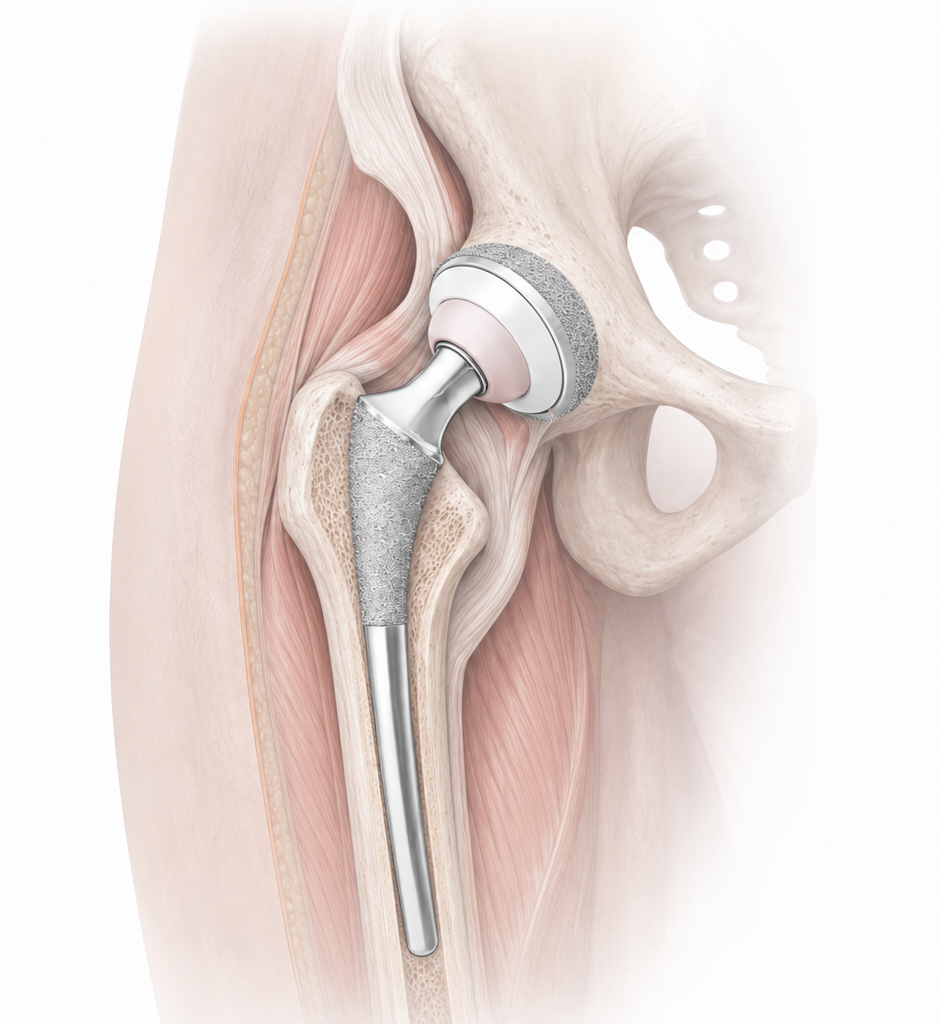
In a total hip replacement, the damaged ball-and-socket surfaces are replaced with implants designed to restore smooth, stable motion. Dr. Gill performs anterior hip replacement through a muscle-sparing interval for appropriate patients.
The surgical approach may influence early recovery, but it is only one part of the result. Accurate component positioning, soft-tissue balance, medical preparation, and a structured recovery plan all matter. Patients comparing approaches can read Anterior vs. Posterior Hip Replacement: Does the Surgical Approach Matter?
Patients can also review Dr. Gill’s hip replacement outcomes and quality data and the typical hip replacement recovery timeline.
A Treatment Plan Built Around Function
Seeing a hip replacement surgeon does not mean that surgery is required. The purpose of an evaluation is to confirm the diagnosis, understand the effect on daily life, and discuss the options that fit the patient’s current needs and long-term goals.
For some patients, that means continued exercise, medication, or an injection. For others, replacement offers the most reliable path to meaningful pain relief and restored mobility.
Common Questions About Hip Arthritis
-
Groin pain is the most common location, but hip arthritis may also cause pain in the thigh, buttock, or knee. Pain primarily on the outside of the hip is more often related to the surrounding tendons or bursa.
-
Yes. Pain from the hip can be referred to the thigh or knee, sometimes with little pain felt directly over the hip. Examining hip motion and obtaining appropriate X-rays can help identify the true source.
-
Current nonsurgical treatments cannot reliably restore cartilage lost to established osteoarthritis. Treatment focuses on controlling symptoms and maintaining function. Hip replacement replaces the damaged joint surfaces when arthritis becomes advanced and limiting.
-
Usually not. Standard X-rays generally provide the information needed when hip osteoarthritis is established. MRI may be useful if X-rays are normal, symptoms are unusual, or another diagnosis such as osteonecrosis is suspected.
-
Relief varies. Some patients experience meaningful improvement for weeks or months, while others receive little benefit. The injection treats inflammation and pain temporarily; it does not reverse arthritis.
-
Replacement may be appropriate when persistent pain or stiffness limits walking, sleep, work, or daily activities; nonsurgical treatment is no longer effective; and imaging confirms advanced arthritis that matches the symptoms.
-
Yes. Many medically appropriate patients can walk within hours of surgery and return home the same day through a structured outpatient pathway. The safest setting is individualized according to health, support at home, and surgical needs.
Considering Treatment for Hip Arthritis?
If hip pain is limiting mobility, sleep, work, or daily activity, an evaluation can help confirm the diagnosis and determine whether nonsurgical care or hip replacement is the appropriate next step.